
 Call :
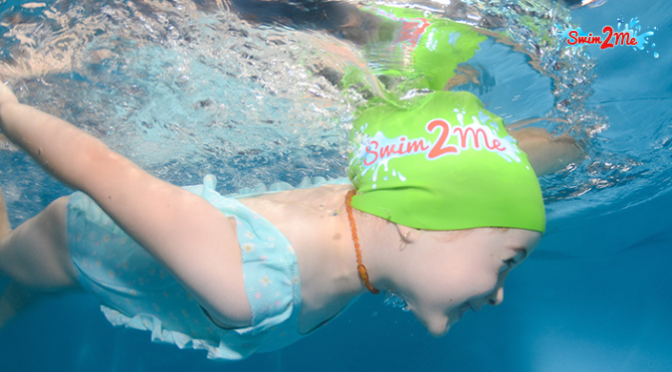
Learning to swim is a gradual process, and every child develops aquatic skills at a different pace. Some children become comfortable in the water quickly, while others need more time to build confidence and coordination.
For parents in Liverpool and Austral, understanding what influences swimming progress can make it easier to set realistic expectations. Rather than focusing on how many lessons it takes, it is more helpful to look at the skills a child develops along the way.
How Long Does It Usually Take a Child to Learn to Swim?
There is no fixed timeframe for learning to swim. A child’s age, confidence, previous water experience, lesson frequency and individual development can all affect progress.
Some children may become comfortable floating, kicking and moving through the water after several months of regular lessons. Developing reliable swimming strokes, breathing control and water safety skills can take considerably longer.
Consistent practice is generally more valuable than trying to rush through lessons.
What Does “Learning to Swim” Actually Mean?
Swimming is more than being able to move from one side of the pool to another. Depending on the child’s age, kids swimming lessons in Liverpool and the nearby suburbs involves several stages, including:
- Becoming comfortable in the water
- Learning to enter and exit safely
- Floating independently
- Controlling breathing
- Kicking effectively
- Coordinating arm and leg movements
- Developing recognised swimming strokes
- Learning to change direction
- Building endurance
- Understanding basic water safety
A child who can swim a short distance may still need supervision and further instruction to develop stronger water safety skills.
Factors That Affect Swimming Progress
- Age and Development
Children develop physical coordination and confidence at different rates. Younger children may initially focus on water familiarisation and basic movement, while older children can often work on more structured swimming techniques.
- Previous Water Experience
A child who regularly plays in water may already feel comfortable putting their face in the water, floating or kicking. Another child may need several lessons simply to become relaxed in the pool.
- Confidence
Fear or nervousness can affect learning. A supportive instructor can help children gradually become comfortable rather than forcing them to perform skills before they are ready.
- Lesson Frequency
Regular lessons can help children maintain familiarity with techniques between sessions. Long gaps between lessons may mean that some skills need to be revisited.
- Teaching Approach
Children respond differently to teaching styles. Small groups, individual attention and age-appropriate activities can all influence how effectively a child engages with lessons.
How Can Parents Help Their Child Progress?
Parents can support swimming development by making water experiences positive and consistent. If appropriate, allow children to practise simple skills taught by their instructor during supervised family swimming sessions.
Avoid comparing your child’s progress with other children. Encourage effort and gradual improvement rather than focusing solely on distance or speed.
It is also important not to pressure a nervous child. Building confidence can be an important part of learning to swim.
When Should Children Start Swimming Lessons?
Children can begin age-appropriate swimming programs from infancy, with early classes generally focusing on water familiarisation and parent participation. As children grow, lessons can gradually introduce more independent swimming and water safety skills.
Starting earlier does not necessarily mean a child will learn faster. The quality and consistency of instruction, along with the child’s readiness, remain important.
Choosing Swimming Lessons in Liverpool & Austral
For families looking for baby swimming lessons in Austral or other nearby regions, consider programs with qualified instructors, appropriate class sizes and lessons suited to your child’s age and ability.
Ask how instructors assess progress and whether lessons cover both swimming technique and water safety. A program that creates a positive learning environment can help children develop confidence while building practical skills.
Swimming Is a Skill That Develops Over Time
There is no universal number of lessons required for a child to learn to swim. Progress may happen gradually, with periods of rapid improvement followed by stages where children need more practice.
The goal should be steady development of swimming ability, confidence and water safety awareness. With regular, age-appropriate instruction and patient support, children can continue building their skills at a pace that suits them.
Help Your Child Build Lifelong Swimming Skills
Give your child the time, guidance and encouragement they need to become confident in the water. Explore age-appropriate swimming lessons in Liverpool and Austral from Swim 2 Me and support their progress one skill at a time. Contact 0409 241 712 for more details.
Why is my child not progressing despite regular swimming lessons?
Progress can be affected by water confidence, coordination, attendance, developmental stage and teaching approach. Children can also progress unevenly, mastering some skills before others.
Should children have private or group swimming lessons?
Both can be useful. Group lessons provide opportunities to learn alongside peers, while private lessons can offer more individual attention. The appropriate option depends on the child's needs and learning style.
How often should a child have swimming lessons?
Regular lessons can help children maintain familiarity with swimming skills. The ideal frequency depends on the child's age, ability, program structure and opportunities for supervised practice.
What swimming skills should a child learn first?
Early skills typically include water confidence, safe entry and exit, floating, breathing control and basic propulsion. Children can gradually progress towards coordinated strokes, endurance and more advanced water safety skills.
Can a child who knows how to swim be left unsupervised in a pool?
No. Swimming ability does not eliminate the risk of drowning. Young children should always have appropriate adult supervision around pools and other bodies of water.
